
In today’s digital landscape, social media advertising has become an indispensable tool for businesses seeking to expand their reach and drive revenue. Understanding how to effectively leverage these platforms to boost ROI (Return on Investment) is crucial for success. This article delves into the strategies and techniques necessary to maximize the impact of your social media ad campaigns and achieve a significant return on your investment.
From defining clear objectives and targeting the right audience to crafting compelling ad creatives and meticulously analyzing campaign performance, we’ll explore the essential elements of a successful social media advertising strategy. Whether you’re a seasoned marketer or just starting out, this guide will provide valuable insights to help you boost ROI and achieve your business goals through the power of social media ads.
Choosing the Right Platform
Selecting the right social media platform is crucial for maximizing your return on investment (ROI). Each platform caters to a different demographic, and understanding your target audience is the first step.
Consider these factors when choosing a platform:
- Demographics: Where does your target audience spend their time online?
- Platform Strengths: Is the platform known for visual content (Instagram), professional networking (LinkedIn), or engaging discussions (Twitter)?
- Ad Formats: What types of ads does the platform support? Video, image, carousel, or text?
- Budget: Advertising costs vary significantly across platforms. Factor your budget into your decision.
By carefully evaluating these elements, you can strategically choose the platform that aligns best with your campaign goals and target audience, ultimately driving a higher ROI.
Targeting the Right Audience
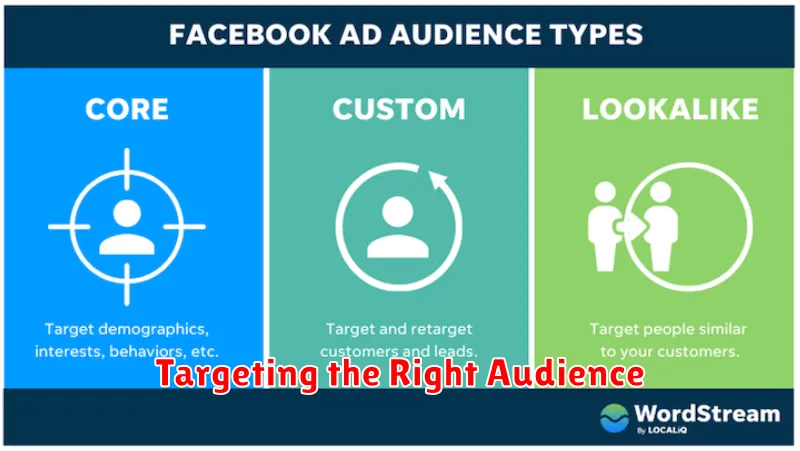
Effective social media advertising hinges on reaching the right audience. Misdirected ads waste budget and yield poor results. Targeting capabilities allow you to focus your campaigns, ensuring your message reaches potential customers who are most likely to engage and convert.
Key targeting parameters include demographics (age, gender, location, education, etc.), interests (hobbies, activities, favorite brands), behaviors (online shopping habits, device usage), and connections (followers of specific pages or groups). Utilizing these parameters effectively helps refine your reach and maximize your ad spend.
Lookalike audiences can be a powerful tool. These audiences are built based on existing customer data, allowing you to reach new users with similar characteristics to your most valuable customers. This expands your reach while maintaining a targeted approach.
Ad Design Best Practices
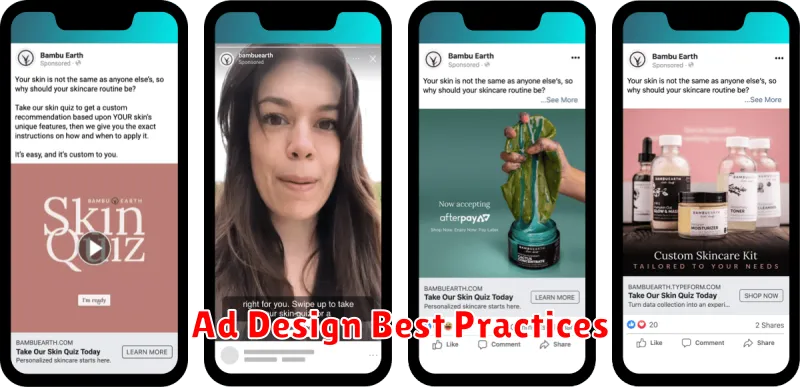
Effective ad design is crucial for grabbing attention and driving conversions. Following best practices ensures your ads resonate with your target audience and maximize your return on investment.
Visual Appeal
Use high-quality images and videos that are relevant to your product or service. Ensure your visuals are eye-catching and professionally designed. Maintain consistent branding across all your ads, using the same color schemes, fonts, and logo.
Clear Messaging
Keep your ad copy concise and focused. Clearly communicate the value proposition of your offering. Use a strong call to action that tells the audience what you want them to do.
Targeting
Tailor your ad design to the specific platform and audience you are targeting. Consider the demographics, interests, and behaviors of your target audience when creating your visuals and messaging.
Analyzing Campaign Performance
Analyzing campaign performance is crucial for maximizing your return on investment (ROI). It allows you to understand what’s working, what’s not, and how to optimize your campaigns for better results. This involves tracking key performance indicators (KPIs) and drawing actionable insights from the data.
Some key metrics to consider include:
- Reach: How many unique users saw your ad.
- Impressions: The total number of times your ad was displayed.
- Engagement: Likes, comments, shares, and clicks.
- Click-Through Rate (CTR): The percentage of people who clicked on your ad after seeing it.
- Conversion Rate: The percentage of people who completed a desired action (e.g., purchase, sign-up) after clicking on your ad.
- Cost Per Click (CPC): The amount you pay for each click on your ad.
- Cost Per Acquisition (CPA): The amount you pay for each conversion.
Regularly monitoring these KPIs will enable you to identify trends and make necessary adjustments to your campaigns to improve their effectiveness and ultimately boost your ROI.
A/B Testing for Optimization
A/B testing is a critical component of optimizing social media ad campaigns. It involves comparing two versions of an ad, with only one element changed, to determine which performs better. This allows for data-driven decisions and continuous improvement.
Key elements to test include ad copy, headlines, visuals, call-to-actions, and targeting parameters. Start by testing one element at a time to isolate its impact on performance.
Analyze the results by monitoring key metrics like click-through rates (CTR), conversion rates, and cost-per-click (CPC). Statistical significance is crucial to ensure the observed differences are not due to random chance.
Based on the results, implement the winning variation and continue iterating with further A/B tests. This ongoing process allows for continuous refinement and maximizes ROI.
Scaling Winning Campaigns
After identifying successful social media ad campaigns, the next step is scaling them to maximize ROI. This involves strategically increasing budget and expanding reach while maintaining performance.
Gradual scaling is crucial. Avoid drastically increasing your budget overnight. Instead, incrementally increase spending by a manageable percentage (e.g., 10-20%) over a set period (e.g., weekly). This allows you to closely monitor performance and make adjustments as needed.
Audience expansion should be carefully considered. Look-alike audiences can be an effective way to reach new users with similar characteristics to your existing high-performing audiences. Test new targeting options within your existing campaigns before broadly expanding.
Creative fatigue is a common pitfall when scaling. Refresh your ad creatives regularly to maintain engagement and prevent performance decline. A/B testing variations of your top-performing ads can help identify new winning combinations.
