

In today’s digital landscape, achieving strong search engine optimization (SEO) results is crucial for online success. Content planning plays a pivotal role in this endeavor. A well-defined content plan ensures that your website attracts the right audience, provides valuable information, and ultimately ranks higher in search engine results pages (SERPs). This article delves into the essential elements of content planning for better SEO results, outlining strategies to maximize your online visibility and drive organic traffic to your website. Understanding the relationship between content and SEO is the first step toward creating a successful online presence. By focusing on creating high-quality, relevant content through strategic planning, you can effectively target your desired audience and achieve your SEO goals.
Effective content planning for SEO involves a thorough understanding of keyword research, target audience analysis, and competitive analysis. Through careful planning, businesses can create content that not only resonates with their target audience but also aligns with search engine algorithms. By incorporating relevant keywords and optimizing content structure, websites can improve their search engine rankings and attract more organic traffic. This comprehensive guide will explore the key components of a successful content plan, including keyword strategy, content calendar development, and performance measurement, ultimately empowering you to achieve better SEO results and establish a robust online presence through strategic content planning.
Why Content Planning Matters
Content planning is crucial for achieving better SEO results. A well-defined plan ensures your content aligns with your overall marketing strategy and targets the right audience.
Without a plan, content creation becomes haphazard and inefficient. This can lead to inconsistent messaging, missed opportunities, and ultimately, poor search engine rankings.
Key benefits of content planning include:
- Improved SEO: Targeted keywords and topics increase visibility in search results.
- Enhanced Brand Consistency: A plan maintains a unified brand voice and message across all platforms.
- Increased Audience Engagement: Content caters specifically to audience interests, leading to greater interaction.
- Better Resource Allocation: Planning helps prioritize content creation and optimize resource usage.
Performing Effective Keyword Research
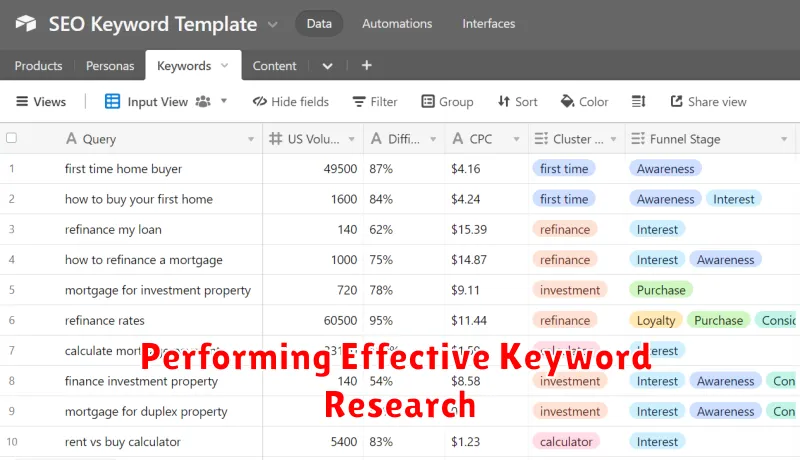
Keyword research forms the foundation of successful SEO. It’s the process of discovering the terms people use in search engines when looking for information related to your content. Effective keyword research allows you to target the right audience and optimize your content for better visibility.
Start by brainstorming relevant topics related to your business or website. Think about the products or services you offer and the problems they solve for your customers. Then, use keyword research tools to expand your initial list and identify related keywords, including long-tail keywords (longer, more specific phrases).
Analyze keyword search volume and competition. High search volume indicates high demand, while low competition suggests a better chance of ranking. Aim for a balance between these two factors. Also, consider keyword relevance to ensure the keywords align with your content and target audience’s intent.
Building a Content Calendar
A content calendar is a crucial tool for organizing and scheduling your content marketing efforts. It provides a structured plan for creating, publishing, and promoting content across different platforms.
A well-structured calendar helps maintain consistency, ensuring regular content delivery to your audience. This consistency is vital for building a strong online presence and improving SEO results.
Key elements to include in your content calendar are:
- Content topics: Specify the subjects each piece of content will cover.
- Keywords: List relevant keywords for each topic to improve search engine visibility.
- Content format: Indicate whether the content will be a blog post, video, infographic, etc.
- Publishing date: Set a target date for publishing each piece of content.
- Promotion channels: Specify where the content will be promoted (e.g., social media, email).
Using a content calendar allows you to plan ahead, ensuring you’re creating high-quality, relevant content that meets your audience’s needs and supports your overall SEO strategy.
Creating SEO-Friendly Outlines
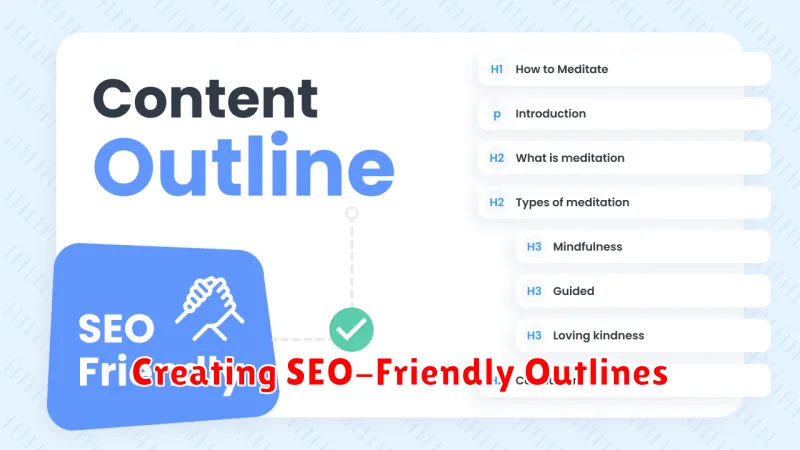
A well-structured outline is the foundation of SEO-friendly content. It ensures logical flow and helps incorporate relevant keywords effectively. Before drafting, organize your thoughts with a hierarchical structure.
Start with your primary keyword as the central topic. Then, branch out into secondary keywords that address related aspects. This creates a natural progression of information for both readers and search engines.
Consider using a format like this:
- Main Topic (Primary Keyword)
- Subtopic 1 (Secondary Keyword)
- Subtopic 2 (Secondary Keyword)
- Subtopic 3 (Secondary Keyword)
This structured approach makes it easier to optimize each section with relevant keywords and create a comprehensive piece of content that satisfies search intent.
Measuring Content Performance
Measuring content performance is crucial for understanding the effectiveness of your content strategy and making data-driven improvements. It allows you to see what’s working, what’s not, and how to optimize for better SEO results.
Key metrics to track include:
- Website traffic: Monitor the number of visitors your content attracts, paying attention to sources like organic search, social media, and referrals.
- Engagement metrics: Analyze how users interact with your content. This includes metrics like bounce rate, time on page, and pages per session.
- Conversions: Track how effectively your content drives desired actions, such as form submissions, downloads, or purchases.
- Keyword rankings: Monitor your content’s position in search engine results pages (SERPs) for targeted keywords.
- Backlinks: Measure the number and quality of external websites linking to your content.
By regularly analyzing these metrics, you can gain valuable insights into your content’s strengths and weaknesses, enabling you to refine your strategy and improve your overall SEO performance.
Updating and Repurposing Old Content
Updating and repurposing existing content is a cost-effective and efficient way to improve your SEO performance. Rather than constantly creating new content from scratch, revisiting older pieces can provide significant value.
Updating content involves refreshing outdated information, adding new insights, and improving the overall quality. This can include correcting factual errors, expanding on existing points, and incorporating new keywords based on current search trends. Look for content that has performed well in the past, but may be declining in traffic. These are prime candidates for updates.
Repurposing content involves transforming existing content into different formats. A blog post, for example, could be repurposed into an infographic, a video script, or a series of social media posts. This allows you to reach a wider audience and maximize the value of your existing content.
