
In today’s competitive market, having a robust sales funnel is no longer a luxury but a necessity. A high-converting sales funnel is the key to attracting, engaging, and converting potential customers into paying clients. This article will provide a comprehensive guide on how to build a sales funnel that maximizes conversions and boosts your bottom line. We will cover essential steps, from understanding your target audience and crafting compelling offers to optimizing each stage for maximum impact. Learn how to leverage the power of a well-structured sales funnel to drive sales and achieve sustainable business growth. Whether you are a seasoned entrepreneur or just starting out, mastering the art of sales funnel building is crucial for success.
Building a high-converting sales funnel involves a strategic approach that goes beyond simply generating leads. It requires a deep understanding of your target audience’s needs, pain points, and motivations. This article will delve into the intricacies of crafting a sales funnel that resonates with your ideal customer, guiding them seamlessly through each stage of the buyer’s journey. From the initial awareness stage to the final purchase decision, we will explore proven strategies for nurturing leads, building trust, and ultimately, driving conversions. By implementing the techniques outlined in this guide, you can transform your sales process into a powerful engine for sustainable growth and increased profitability.
What Is a Sales Funnel?
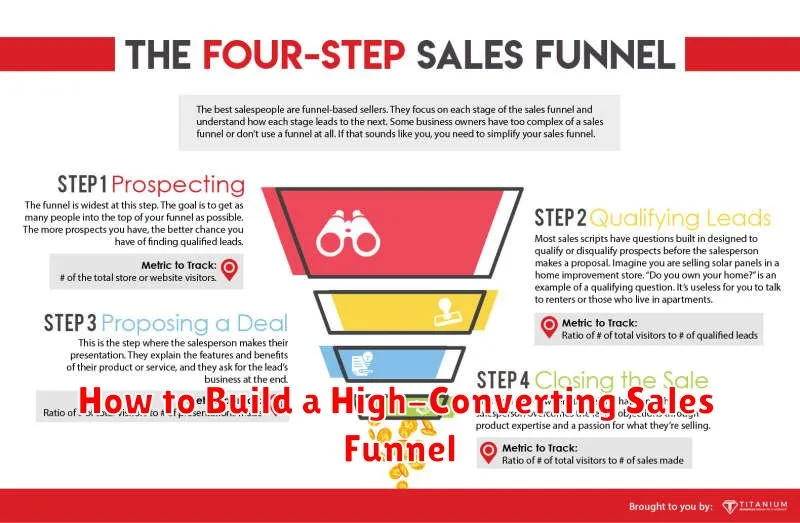
A sales funnel is a visual representation of the customer journey, from initial awareness of a product or service to the final purchase. It depicts the various stages a prospect goes through before becoming a paying customer.
Think of it as a funnel, wide at the top and narrow at the bottom. At the top, you have a large number of potential customers. As prospects move through the funnel, some drop off at each stage, leaving only the most qualified and interested individuals reaching the bottom, where they convert into paying customers.
Each stage of the funnel requires different marketing and sales strategies to nurture leads and move them closer to a purchase.
Stages of the Funnel Explained
The sales funnel represents the journey a customer takes from initial awareness to final purchase. Understanding each stage is crucial for optimizing your marketing and sales efforts.
Typically, a sales funnel comprises four key stages:
- Awareness: Potential customers become aware of your brand or product. This often happens through marketing efforts like social media, advertising, or content marketing.
- Interest: Intrigued customers start researching and learning more about your offerings. They may visit your website, read reviews, or compare your product to competitors.
- Decision: Prospects have narrowed down their choices and are seriously considering purchasing. They may be seeking additional information, such as pricing, delivery options, or customer support details.
- Action: The customer makes a purchase. This is the final stage of the funnel and signifies a successful conversion.
By understanding these stages, you can tailor your messaging and offers to effectively guide potential customers through the funnel, maximizing your conversion rates.
Creating Funnel Entry Points
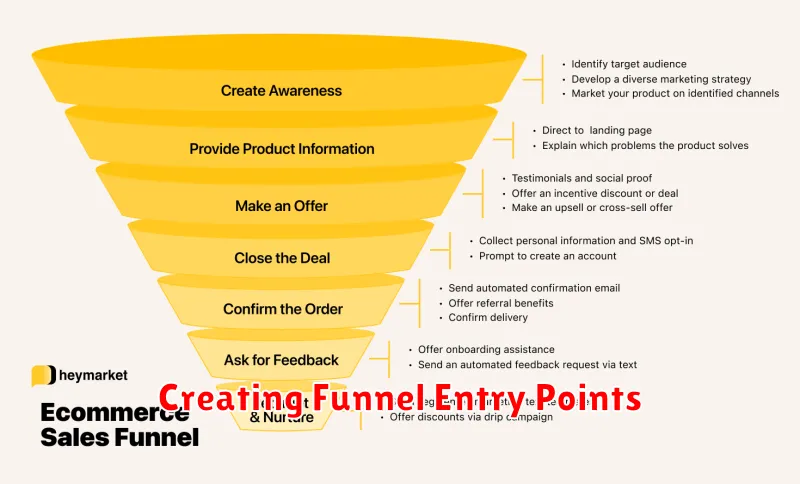
The entry point of your sales funnel is the first interaction a potential customer has with your business. It’s crucial to make a positive and engaging first impression to draw them further into the funnel. Effective entry points cater to your target audience’s needs and interests.
Common entry points include:
- Social Media Ads: Targeted advertising campaigns can reach specific demographics interested in your products or services.
- Blog Posts: Valuable content addressing customer pain points can attract organic traffic and establish your expertise.
- Landing Pages: Dedicated pages optimized for conversions can capture leads through forms or calls to action.
- Email Marketing: Engaging email campaigns can nurture leads and promote offers to a segmented audience.
Choosing the right entry points depends on your target audience and business goals. Analyzing your audience’s online behavior and preferences will help determine where they spend their time and what type of content resonates with them.
Optimizing Funnel Conversion Rates
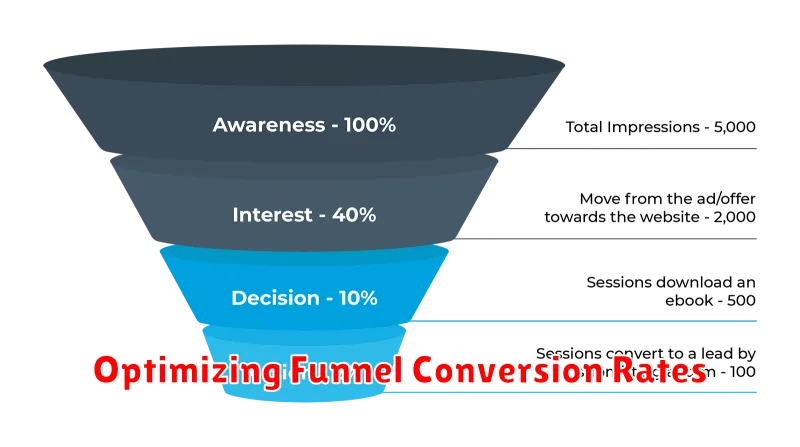
Once your sales funnel is established, the next crucial step is optimization. This involves continually analyzing and refining each stage to improve its conversion rate. A high-converting funnel is not a static entity; it requires constant monitoring and adjustment.
Begin by identifying your key performance indicators (KPIs). These metrics will vary depending on your business and funnel structure, but commonly include conversion rates at each stage, average order value, and customer lifetime value. Track these KPIs diligently to understand where your funnel is performing well and where it needs improvement.
A/B testing is a powerful tool for optimization. Experiment with different variations of your landing pages, calls to action, and email sequences to determine what resonates most effectively with your target audience. Even small changes can have a significant impact on conversion rates.
Finally, consider the user experience. A seamless and intuitive journey through the funnel is essential for maximizing conversions. Address any friction points, such as slow loading times or complicated forms, to ensure a smooth and enjoyable experience for your potential customers.
Retargeting and Follow-Ups
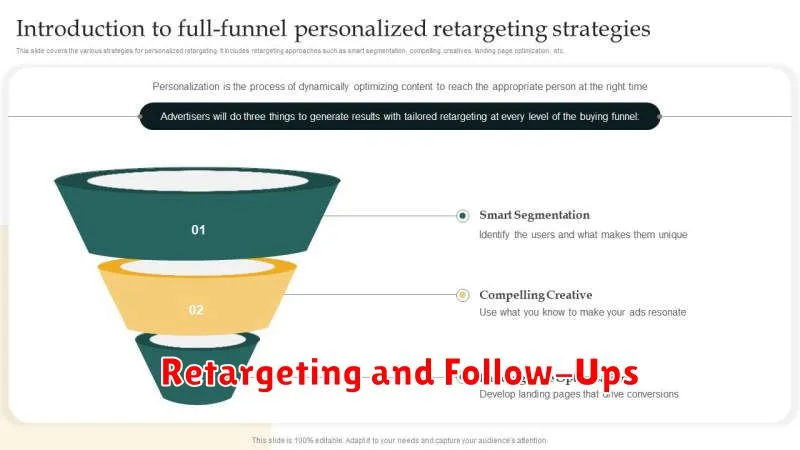
Retargeting plays a crucial role in re-engaging potential customers who have interacted with your brand but haven’t converted. By displaying targeted ads to these individuals, you can remind them of their interest and encourage them to return to your sales funnel.
Follow-ups are equally important, particularly for leads who have demonstrated a higher level of engagement. Personalized emails, phone calls, or other forms of communication can nurture these leads and move them closer to a purchase.
A combined strategy of retargeting and follow-ups significantly improves the chances of converting leads into paying customers. This approach reinforces your brand message and provides valuable touchpoints throughout the buyer’s journey.
Monitoring Funnel Performance
Monitoring your sales funnel’s performance is crucial for continuous optimization and achieving higher conversion rates. Tracking key metrics allows you to identify bottlenecks and areas for improvement.
Key Performance Indicators (KPIs) to monitor include:
- Conversion Rate: The percentage of visitors who move from one stage of the funnel to the next.
- Entry Sources: Identifying where your traffic originates from (e.g., social media, organic search) helps understand which channels are most effective.
- Time Spent in Each Stage: Analyzing the time spent at each stage can reveal friction points or areas where users might be getting lost.
- Cart Abandonment Rate: For e-commerce funnels, track the percentage of users who add items to their cart but don’t complete the purchase.
Regularly analyze these KPIs to identify trends and make data-driven decisions to improve your funnel’s effectiveness.
