

In today’s digital landscape, video content reigns supreme. Businesses seeking to enhance their marketing strategies and boost conversions must harness the power of video. This article will explore the essential elements of crafting compelling video content that converts, turning viewers into loyal customers. Learn how to create videos that not only capture attention but also drive tangible results, maximizing your return on investment. From conceptualization to distribution, we’ll cover the key steps to creating video content that converts and sets your brand apart from the competition.
Creating video content that converts requires a strategic approach that goes beyond mere entertainment. We’ll delve into the core principles of video content creation, focusing on techniques to engage your target audience and motivate them to take action. Discover how to define clear objectives, craft compelling narratives, and incorporate persuasive calls to action within your videos. Whether you’re a seasoned marketer or just beginning your journey into the world of video content, this guide will provide valuable insights to help you create videos that convert and achieve your business goals.
Why Video Marketing Matters
In today’s digital landscape, video marketing has become an indispensable tool for businesses aiming to connect with their audience and drive conversions. Video’s engaging nature captures attention far more effectively than text or static images. This translates to increased brand awareness and a stronger connection with potential customers.
Improved Search Engine Optimization (SEO) is another key benefit. Search engines favor websites with video content, leading to higher rankings and increased organic visibility. Videos also keep visitors on your site longer, boosting engagement metrics and signaling value to search algorithms.
Furthermore, video provides a versatile platform for showcasing products or services in a dynamic and compelling way. Demonstrations, testimonials, and explainer videos can effectively communicate value and build trust with potential buyers.
Planning Your Video Strategy
A well-defined video strategy is crucial for maximizing your return on investment. Before creating any content, you need to establish clear goals. What do you want to achieve with your videos? Increase brand awareness? Drive sales? Improve customer engagement? Defining your objectives will guide your content creation process.
Next, identify your target audience. Who are you trying to reach? Understanding their demographics, interests, and online behavior will help you tailor your videos to resonate with them. Consider where your audience spends their time online and which platforms they prefer.
Content planning is essential. Develop a content calendar to organize your video production schedule. This will ensure consistent output and help you align your videos with marketing campaigns and other initiatives.
Finally, establish key performance indicators (KPIs) to measure the success of your video strategy. Track metrics such as views, engagement, and conversion rates to assess the effectiveness of your videos and make data-driven adjustments.
Scripting for Engagement
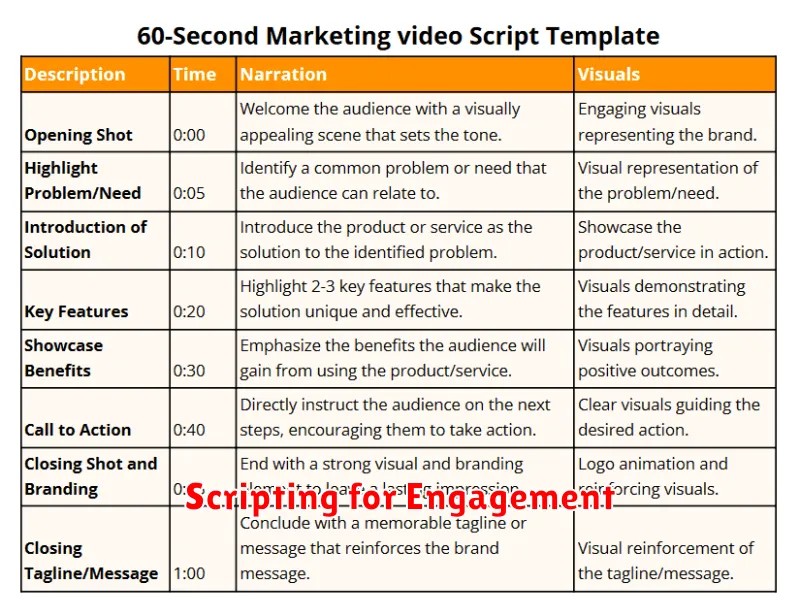
A compelling script is the backbone of engaging video content. It’s not just about what you say, but how you say it. Structure your script to maintain viewer interest from beginning to end.
Start with a hook. Grab attention within the first few seconds. This could be a provocative question, a surprising statistic, or a visually appealing scene. Then, clearly introduce the core message of your video.
Maintain a conversational tone throughout. Write as if you’re speaking directly to the viewer. Use clear, concise language, avoiding jargon. Short sentences and paragraphs are more digestible in video format.
Incorporate a clear call to action. What do you want viewers to do after watching? Subscribe, visit your website, or make a purchase? Make it explicit and easy for them to follow through. A strong script is essential for maximizing conversion rates.
Optimizing Thumbnails and Titles

Thumbnails and titles are the first impression viewers have of your video content. Optimizing them is crucial for attracting clicks and driving views. A compelling thumbnail should accurately represent the video’s content and be visually appealing.
Consider using high-quality images with bold text overlays and vibrant colors to grab attention. Clearly convey the video’s topic and value proposition within the thumbnail.
Titles should be equally compelling and informative. Use strong keywords that accurately reflect the video’s subject matter and target your desired audience. Keep titles concise and engaging, highlighting the key benefit or takeaway viewers will gain.
Testing different thumbnails and titles can help identify what resonates best with your audience. Analyze the click-through rates and adjust your approach accordingly. A/B testing can be invaluable for refining your optimization strategy.
Using CTAs in Videos
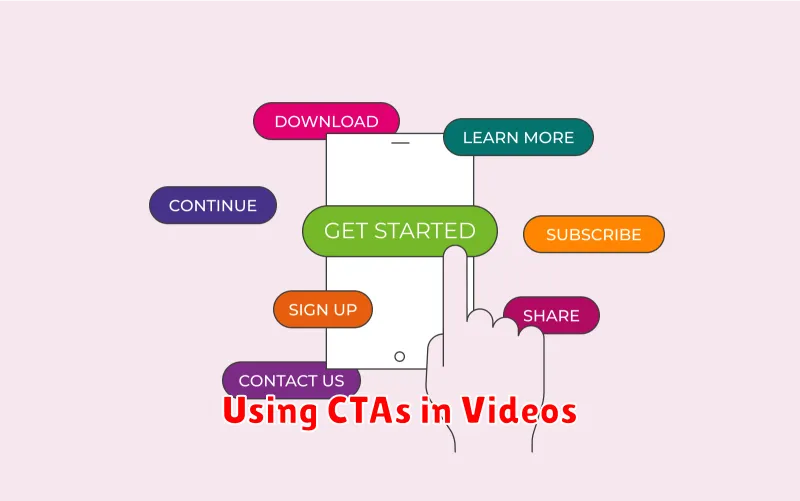
Calls to action (CTAs) are crucial for converting video viewers into customers or achieving desired actions. Effectively incorporating CTAs into your videos can significantly impact your video marketing success.
Types of CTAs
Several types of CTAs can be employed within videos. Verbal CTAs, delivered by the speaker, are direct and engaging. Text-based CTAs, overlaid on the video, offer a constant reminder throughout the viewing experience. End-screen CTAs appear at the video’s conclusion, prompting immediate action. Choosing the right CTA depends on the specific goal of your video.
Best Practices for CTAs
For maximum impact, keep your CTAs clear and concise. Tell viewers precisely what you want them to do. Create a sense of urgency to encourage immediate action. Ensure your CTA is relevant to the video content and aligns with the viewer’s stage in the customer journey.
Measuring Video Performance
Analyzing video performance is crucial for optimizing your content and improving conversion rates. Key metrics provide insights into viewer behavior and content effectiveness.
View count is a basic metric, showing how many times your video has been seen. However, it’s important to look beyond just views.
Watch time, specifically the average watch time, indicates how long viewers are engaged with your content. A longer watch time often suggests more compelling content. Watch time percentage goes further, showing how much of your video, on average, is viewed. Aim for a high percentage.
Click-through rate (CTR) measures how often viewers click on calls to action within your video or its description. This is a direct indicator of how effectively your video drives conversions.
Finally, pay attention to audience retention. This metric shows how viewers engage with your video over time, highlighting sections where they drop off. Analyzing drop-off points helps you pinpoint areas for improvement in future content.
